Sustainable Farming Sonoma Valley Winery Visit Guide
August 13, 2026•Visit & Tastings
You've pulled into Sonoma Valley, parked by the vines, and now the day has to earn its keep. A quick tasting room stop is easy to find, but a sustainable farming Sonoma Valley winery visit should do more than hand over a flight of wines. It should let a guest read the land, understand the farming behind the bottle, and leave with a clearer sense of where the wine came from.
That expectation isn't fussy, it's reasonable. Sonoma County's winegrowers now report that 99% of vineyard acreage is certified sustainable by a third-party program, and the region formalized its sustainability push in 2014 with a goal to become the world's most sustainable winegrowing region (Sonoma County sustainability overview). For a visitor, that means sustainability isn't a side note here. It's the baseline.
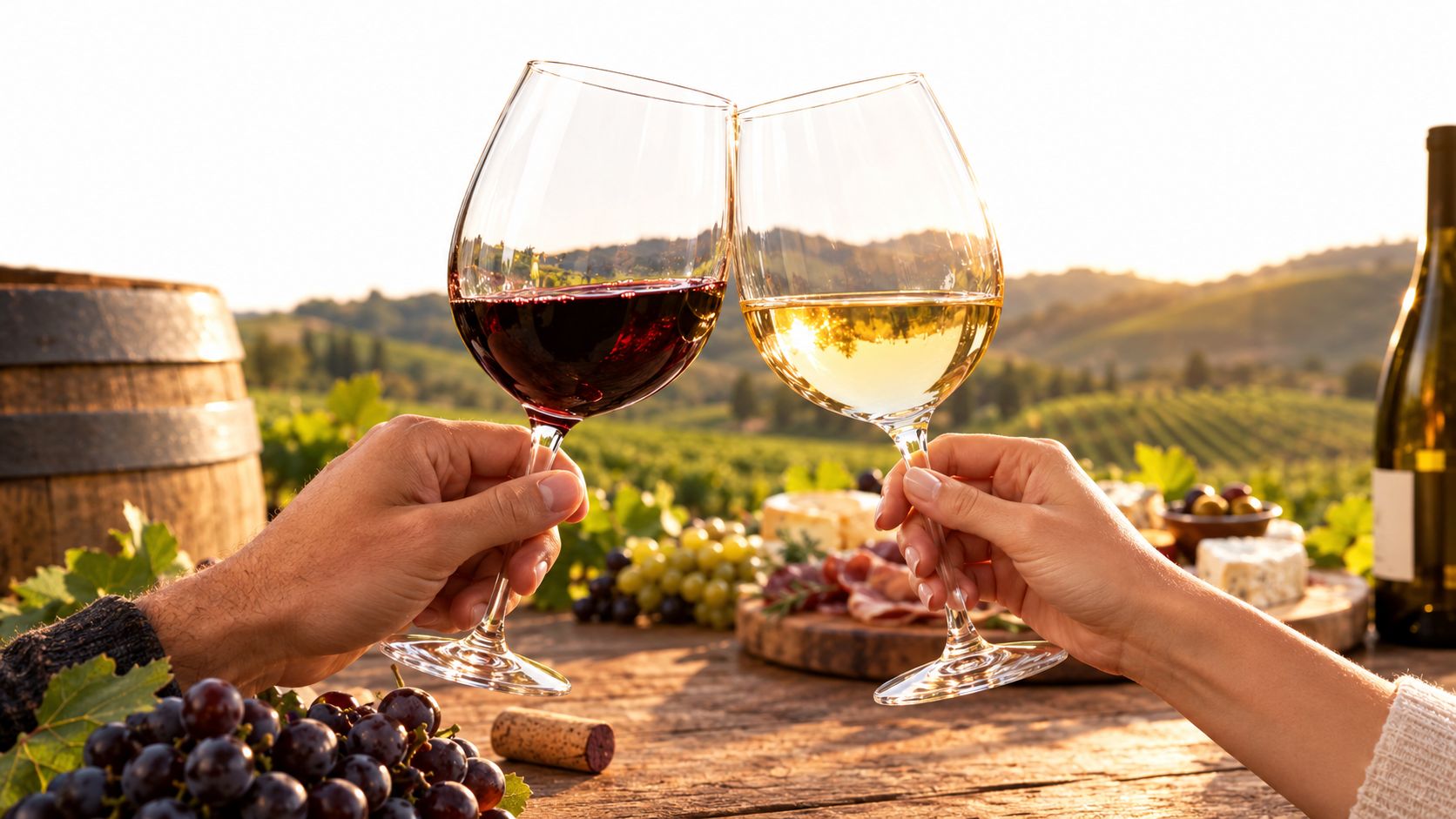
An estate visit feels different because the bottle doesn't arrive disconnected from the ground. The patio, the rows, and the farming choices all sit in the same frame.
The smartest way to visit is to treat the tasting like a field lesson with good wine. That means choosing estates where the vineyard is visible, asking about farming in plain language, and paying attention to what the property shows without a speech. A real Sonoma Valley estate gives a visitor traceability, working-vineyard scenery, and a direct line between the glass and the site outside the door.
Why a Sustainable Sonoma Valley Winery Visit Matters Now
The shift in Sonoma Valley is this: sustainability is no longer the question a visitor should ask first. The better question is how the estate handles its land, its vines, and the property you can see from the tasting room. That matters because a tasting stops feeling generic the moment the vineyard becomes part of the experience.
A guest who pays attention will notice the difference fast. Sonoma estates often make their farming visible through estate traceability, working vineyard blocks near the tasting space, and an approach to water, soil, and habitat that shows up in the property itself. A winery can say it farms sustainably, but the stronger signal is what the grounds reveal before the host gives a speech.
That is the point of a better estate visit. The wine is no longer just a pour across the bar, it is tied to a specific piece of ground you can stand beside and read with your own eyes. Rows, patios, and farm decisions sit in the same frame, and that makes the tasting more grounded.
Practical rule: if the patio faces real vines, the host should be able to talk about what those vines need, not just what's in the bottle.
Sonoma's strength is that the region has already built the expectations around stewardship. For visitors, that means the value is not in treating sustainability as a marketing claim. The value is in using it as a filter for seeing what kind of estate you are visiting, and whether the wine feels connected to the site in a real way.
Sustainable Practices You Can See and Ask About on Site
A good visitor doesn't wander the estate like a critic, but they also shouldn't sit through vague talk about stewardship. Read the vineyard like a working site. The most useful cues are the ones you can see from the tasting patio or during a short walk, and Sonoma's local standards make those cues worth paying attention to.

What to spot without sounding like an auditor
Cover crops between vine rows usually signal that the estate is thinking about soil structure, erosion, and beneficial insects. Ask, “What's growing between the rows, and what does it do here?” That question opens a real conversation without turning the visit into an inspection.
Drip irrigation lines and irrigation monitoring are worth asking about because they show how the estate manages water in a dry season climate. A useful follow-up is, “How do you decide when to irrigate, and which blocks get priority?” If a host can answer clearly, that is a good sign the farming is active, not decorative. For a plain-language explanation of why water timing matters to both vines and the bottom line, the piece on irrigation and profit on SteadStack is a useful companion read.
Beneficial habitat often shows up as hedgerows, native plantings, owl boxes, or raptor perches. Ask what lives along the edge of the vineyard and how the estate encourages natural pest control. The point is not to collect nature facts, it is to hear how the property works with the ecosystem instead of flattening it.
Canopy management is harder to notice if you do not know what to look for, but healthy vines usually look balanced, airy, and well spaced. Ask what the team does to improve airflow and sun exposure. That question reveals whether the vineyard is being managed for vine health or just for appearance.
Composting is often off to the side, but when it is visible, it tells you the estate is returning organic matter to the soil rather than treating the vineyard like a one-way extraction site. Ask what goes back into the rows and when.
If the estate is serious, the answers will not sound rehearsed. They will sound specific, practical, and tied to the block you are standing in. For visitors comparing estate-grown bottles, the internal guide to Sonoma Valley wineries with estate grown wines helps frame why origin matters as much as flavor.
Booking Your Tasting the Smart Way
A sustainable estate is still a working farm, so booking like it's a casual drop-in is the fastest way to have a clumsy visit. The smarter move is to reserve in advance, keep the party size reasonable, and choose a time when the property can host a conversation, not just pour and move people through. If the goal is to understand the farming, schedule like a guest, not like a tourist in a hurry.

Make the reservation work for the experience
Book early and ask about capacity. Sustainable estates often run on appointments because the property is agricultural first and hospitality second. A tasting slot should feel paced, not crowded.
Choose transportation before the booking. Sonoma roads can be winding, and a tasting day works best when a designated driver, ride-share, or tour operator is decided ahead of time. That makes the visit calmer and keeps the pacing responsible.
Pick the right day for your goal. Weekdays usually give a visitor more breathing room for questions, while busier weekends can compress the experience. If the goal is to learn about farming, less noise usually wins.
Flag accessibility and weather needs up front. Estate settings can include uneven ground, patio exposure, and changing conditions. It's better to ask about shade, seating, or route length before arrival than to improvise on-site.
Mention kids, pets, or dietary needs clearly. No one should treat those questions as awkward. They're normal planning details, and clear communication keeps the host focused on hospitality instead of guessing.
The best reservations are the ones that leave time for walking, asking, and pausing. Anything too tight turns a vineyard visit into a stopwatch exercise.
For first-time visitors, the practical Sonoma tasting advice in Sonoma Valley wine tasting tips for a first visit is useful because it keeps the day simple. A sustainable estate deserves enough time to show its land, not just its labels.
What an Estate Tour and Tasting Actually Feels Like
A proper estate visit feels less like walking into a shop and more like being let into a working piece of land. On a contiguous property such as Kunde Winery's roughly 1,850-acre Sonoma Valley estate, the route from tasting room to vineyard blocks creates the story. The point is not just that vines exist nearby. The point is that the same property holds the farming, the production, and the tasting in one place.
The host usually starts with context, then moves into the rows. That's where the visit gets useful. Visitors can ask about vine age, soil changes, microclimates, and why one block behaves differently from another. If the estate is well run, the explanations tie directly to the glass in front of the guest.
How to pace the walk and the pours
A solid estate tasting usually works best in small comparisons. Current releases side by side help a visitor notice texture, structure, and ripeness decisions without needing to be an expert. That's far better than blasting through a long list of wines with no reference point.
The clothing choice matters too. Wear shoes that handle dust, gravel, and short walks without drama. Bring a layer, because an estate that looks sun-warmed from the patio can feel different once the wind moves through the rows.
The right guest behavior is simple. Ask direct questions, take notes if that helps, and don't rush the pour order. The host is there to guide, not to perform.
Field note: when the vineyard walk and the tasting are linked, the wine stops tasting generic. The site becomes part of the flavor memory.
That's what makes an estate tour worth booking. The visitor leaves with more than a list of wines. They leave with a mental map of the land, and that map makes later bottles easier to understand.
Buying Estate Wines and Joining the Wine Club
Buying a few bottles on-site is the most direct way to support the farming you just saw. If the estate grows and bottles its own fruit, the purchase carries a clean provenance story. That matters more than discount chasing, because the visitor is paying for continuity between vineyard and bottle.
A wine club makes sense for the same reason. The practical value is access, allocation rhythm, and a way to keep a relationship going after the visit. For people who liked the estate story, membership keeps those bottles from becoming a one-time memory.
The Sonoma wine club page frames that continuity well, and the same logic applies here. The right club is about receiving scheduled releases, staying informed, and getting first crack at wines that fit the estate's identity. For collectors and repeat visitors, that's more useful than vague perks.
A simple way to think about it is engagement level.
| Engagement Level | What You Get | Best For |
|---|---|---|
| One visit | A clear read on the estate, a tasting, and the chance to buy what resonated | First-time guests |
| Regular purchase | Familiarity with the estate's style and better bottle planning | Repeat visitors |
| Wine club membership | Scheduled allocations, member communications, and ongoing access to periodic releases | Collectors and loyal guests |
A loyalty mindset helps here too. If a club or membership structure uses points, the useful question is whether it rewards repeat engagement in a way that fits the visitor's drinking habits. A concise overview of how a boost customer loyalty with points approach works can help planners think about repeat-visit behavior without overcomplicating the purchase.
The bottom line is simple. If the tasting felt grounded, the bottles should go home with the guest.
Hosting Events and Group Visits at the Estate
A vineyard event works when the property does part of the storytelling for the host. That's the advantage of a working estate. The vines, the views, and the farming give the gathering a built-in identity, so the planner doesn't have to manufacture atmosphere from scratch. Private dinners, corporate outings, and member release events all fit better when the setting already says something specific.

What planners need to get right
Lead with the guest count. Estate venues need to know how many people are coming before anything else. Sound, seating, and service all depend on scale.
Build around the property's timing. A vineyard is not a blank event hall. That means the planner has to respect the farm calendar, the tasting schedule, and the practical limits of an outdoor setting.
Plan transportation early. Group arrivals can go sideways fast if cars are left to improvise on narrow roads or if departure timing gets fuzzy. Shuttles or coordinated rides are cleaner.
Prepare a weather backup. Outdoor vineyard gatherings need a plan for sun, wind, or cold without panic. That conversation should happen before the contract, not the day before the event.
Ask how the estate handles sound and pacing. A working property usually has limits, and those limits protect both the vineyard and the guest experience. Good planners treat that as part of the brief, not as a problem.
For hospitality teams, the appeal is obvious. The estate already supplies the narrative, so the event can focus on food, wine, and conversation instead of trying to stage a fake vineyard moment. That's why the coordination checklist matters so much. It keeps the event rooted in the land instead of floating above it.
Planning Checklist and What Comes Next
A sustainable estate visit goes best when the guest shows up prepared and curious. Use this checklist and keep it simple.

Before you arrive
- Book in advance. Sustainable estates are working properties, so reservation timing matters.
- Check estate policies. Ask about pets, kids, accessibility, and tasting format before the drive.
- Plan transportation. Designated drivers and prearranged rides make the day easier.
On-site engagement
- Arrive on time. Hosts plan around the reservation window.
- Ask about practices. Cover crops, irrigation, habitat, and compost are fair questions.
- Respect the vineyard. Stay on paths and treat the rows like production land.
After your visit
- Share the experience. Tell others what made the estate visit grounded, not just polished.
- Support sustainable brands. Buy the bottles that matched the land story.
- Plan the next visit. Events, club shipments, and seasonal tastings are easier to follow when the first visit was intentional.
Sonoma's sustainability infrastructure isn't standing still. As more estates lean into interpretive visits and farm-first hospitality, guests who learn the vocabulary now will be ready for a more detailed experience later. The future here looks less like generic tasting rooms and more like guided access to living vineyards.
Kunde Winery fits that shift because it gives visitors an estate-grown experience rooted in a long-working Sonoma Valley property, with tasting, club, and event options all tied to the land. For a visit that connects sustainable farming to the glass in hand, plan a stop at Kunde Winery and use the tasting room as a chance to read the vineyard, not just drink through it.